
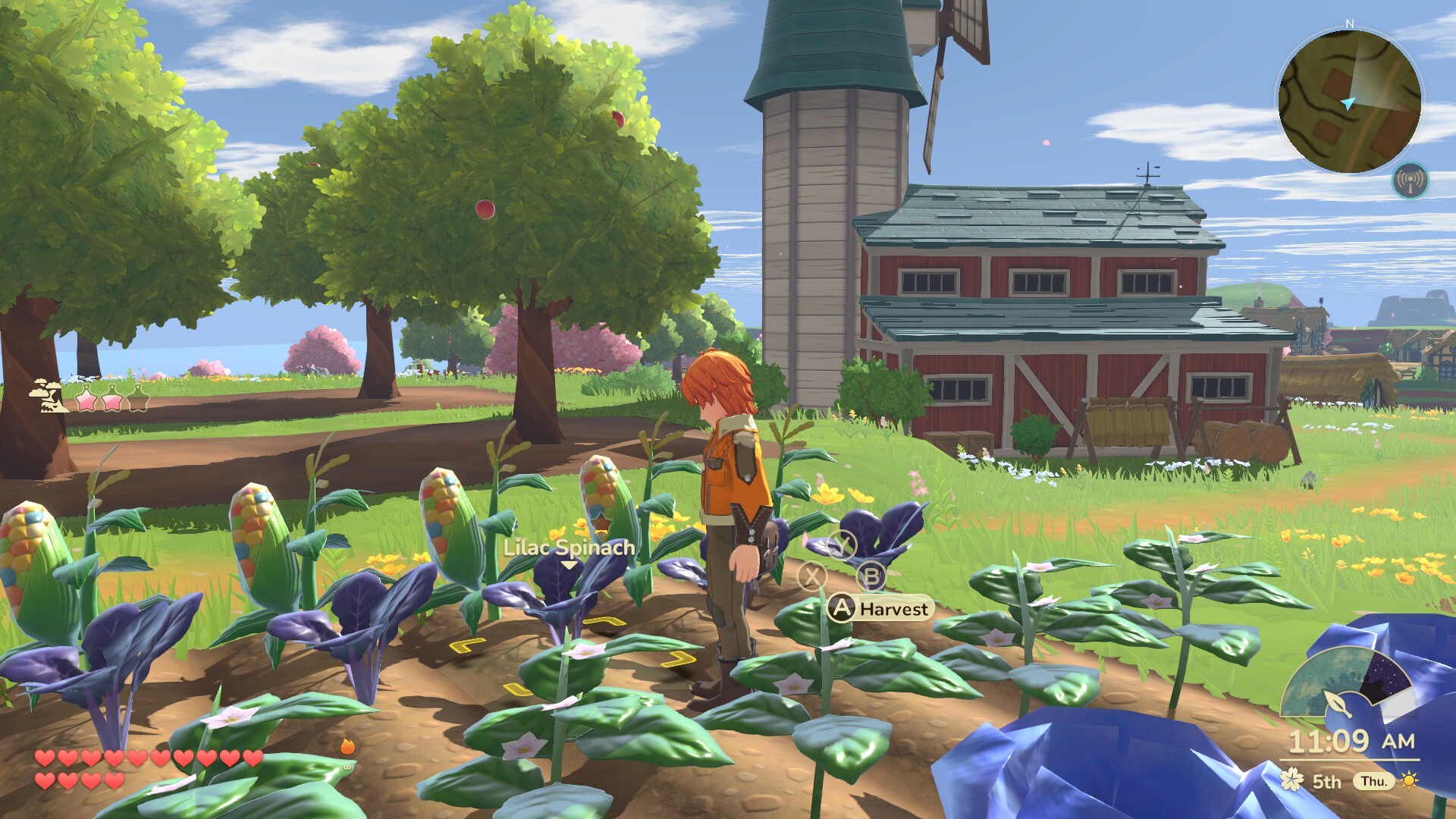
Official screenshot · Steam gallery · ©2026 Natsume Inc. / IMAGICA GEEQ inc. Material statement.
Why there is no supported top crop yet
A best-profit ranking needs comparable seed costs, growth times, and sale returns. The collected material confirms farming but does not supply a checked dataset covering those inputs. Naming a winning crop without them would create a more definite answer than the evidence supports.
A recommendation from another game in the series does not fill that gap. Familiar crop names can have different costs, access conditions, or returns in a different release. This guide therefore explains a comparison method instead of presenting an unverified tier list.
Soil quality is a confirmed consideration
The early hands-on report describes field health affecting crop quality. RPGamer’s preview corroborates soil quality and field rotation. Together they support paying attention to the condition of a plot rather than considering the seed in isolation.
Repeatedly planting the same ground can exhaust it, while rotation and fallow rest are described as part of managing the fields. Observe the information shown in your save when deciding where to plant next. No universal number of harvests before rest is established by these sources.
Compare net return rather than sale price alone
As an editorial calculation, start with total sale revenue and subtract seed and recurring costs. Then compare the result over the space and growing time required. A crop with an impressive sale price is not automatically the strongest return after those other inputs are included.
Use actual values from your save and keep the comparison period consistent. Do not count a crop’s full proceeds while ignoring the cost of obtaining the seed. This method explains how to assess a choice without claiming that a complete Teradea profit table has been tested.
Fast cash and long-term return answer different needs
A player wanting the next available sale may value a different result from someone planning a longer growing period. Distinguish the time until income from the total net return across the period you are comparing. That distinction is a planning principle, rather than evidence that a named crop wins either category.
If the crop information you observe includes regrowth, quality differences, seasons, or access restrictions, include those details in your notes. Do not assume every seed is available at every point in the story. The current packet does not verify a full set of those values or unlock conditions.
A practical approach to your next planting
Check which seeds you can obtain and what their current information says. Compare the purchase cost with the return and time you can actually verify, while considering the condition of the field. Rotate plots or allow rest rather than treating one exhausted patch as a permanent default.
Keep a small record of costs and results if you want to build a meaningful comparison for your save. A future ranking would need those inputs checked consistently across crops. Until then, soil management and transparent arithmetic are the supported guidance, with no invented growth times or universal best seed.
Sources & further reading
This guide combines the corroborated information in our collected research. Store prices and requirements reflect the inspected material; check the current official listing before purchasing. Preview observations and player impressions are identified where they are used.
- Ushi No Tane — detailed early-copy preview ↗
- RPGamer — Echoes of Teradea Preview ↗
- Steam — official PC listing ↗
- Nintendo US — Switch version ↗